Board games continue to attract players because they offer a social and hands-on form of entertainment. However, the experience does not begin when players open the board and start playing. It often starts with the packaging. The box protects the game, presents its identity, and creates the first impression for customers.
As technology becomes part of everyday products, game packaging is also becoming smarter. Modern packaging can combine attractive designs with practical organization and digital features such as QR codes, online instructions, tutorials, and additional game content. These innovations are helping game publishers create packaging that does more than simply store game components.
The Rise of Smart Packaging in Board Games
Traditional board game packaging was mainly designed to protect components during transportation and storage. Today, publishers are looking at packaging as an extension of the gaming experience. Smart packaging allows physical products to connect with digital resources while still maintaining the familiar appeal of a physical game.QR codes are one simple example.
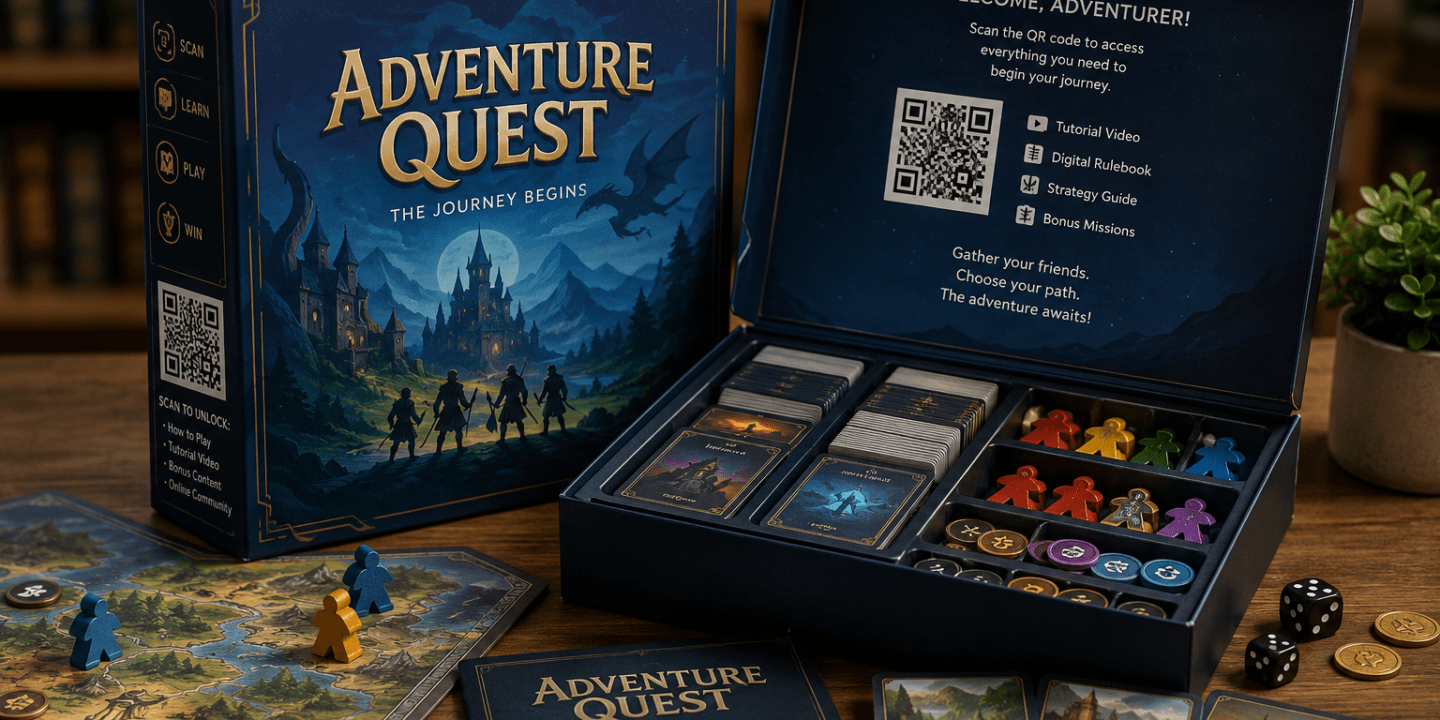
A publisher can place a scannable code on the packaging that takes players to a digital tutorial, updated instructions, expansion information, or additional content. This makes information easier to access and can be particularly useful for games with detailed rules or multiple playing options. Smart packaging can also make games easier to organize.
Board games often contain numerous cards, tokens, dice, boards, and other small pieces. Packaging designed with suitable compartments can keep these components separated and make setup and storage more convenient.
How Custom Game Boxes Enhance Product Presentation
The design of a game box has a direct impact on how customers perceive the product. Custom game boxes give publishers the flexibility to create packaging that reflects the theme, artwork, and personality of a particular game. Instead of relying on a generic package, brands can develop a design that immediately communicates what makes their game unique.
Customization can also improve functionality. Game publishers can select suitable structures, inserts, compartments, and materials according to the size and number of components inside the box. Better organization helps prevent pieces from moving around unnecessarily and can make the game easier to store after use.
Visual presentation is equally important. Attractive illustrations, recognizable themes, and carefully planned layouts can help a board game stand out on store shelves and online marketplaces. When the packaging matches the experience inside, it can create stronger expectations and make the product more memorable.
Connecting Physical Games With Digital Experiences
One of the most interesting aspects of smart packaging is its ability to connect physical products with digital content. Players can use their smartphones to scan codes and access information without requiring additional printed materials. This can make instructions easier to understand and allow publishers to provide content that can be updated over time.
Digital connections can also encourage players to remain engaged with a game after purchase. Publishers can use packaging to introduce expansions, share strategy guides, provide video tutorials, or direct customers toward online communities. In this way, the package can become a bridge between the physical game and its wider digital ecosystem.
This approach is particularly useful for modern games that combine traditional gameplay with online features. Instead of treating physical and digital experiences as separate elements, smart packaging can bring them together in a simple and accessible way.
Better Protection and Organization
Technology may make packaging more interactive, but protection remains one of its most important responsibilities. Board games can contain delicate cards, printed boards, small tokens, dice, miniatures, and other components that need to remain secure during shipping and storage.
Well-planned packaging can reduce unnecessary movement and provide dedicated spaces for different components. This helps keep the contents organized while reducing the possibility of damage. A durable and appropriately sized box can also make storage easier for players who regularly move or transport their games.
Good organization improves the experience beyond transportation. Players can spend less time searching for pieces and more time actually playing. When every component has a logical place, setting up and putting away the game can become much simpler.
Creating a Memorable Unboxing Experience
The unboxing experience has become increasingly important across many consumer products, and board games are no exception. Opening a well-designed package can build excitement before the first round even begins. Organized components, attractive artwork, thoughtful inserts, and creative structures can make the process feel like part of the entertainment.
Smart features can add another layer to this experience. A QR code inside the package could introduce a welcome video, explain the first steps of the game, or provide access to additional content. These small details can make customers feel more connected to the product.
For publishers, a memorable unboxing experience can also strengthen brand recognition. Players who enjoy both the game and its presentation may be more likely to remember the publisher and explore other products from the same brand.
Sustainability and the Future of Game Packaging
Sustainability is another area influencing the future of packaging. As consumers become more aware of packaging waste, game publishers are exploring ways to use materials more efficiently without compromising protection. Recyclable materials, reusable structures, and appropriately sized boxes can help reduce unnecessary waste.
Future packaging may combine these sustainable approaches with increasingly useful digital features. Instead of adding more printed materials, publishers can use QR codes to provide instructions, updates, tutorials, and supplementary content digitally. This can reduce the amount of information that needs to be physically printed while keeping important resources accessible.
The future of board game packaging is therefore likely to focus on a balance between physical quality and digital convenience. Packaging can remain attractive and durable while becoming more interactive, organized, and environmentally conscious.
Conclusion
Smart custom packaging is changing the way players interact with board games before, during, and after gameplay. From QR codes and digital resources to improved organization, protection, and creative presentation, packaging can now contribute directly to the overall customer experience.
As publishers continue exploring new technologies and sustainable materials, the traditional game box is becoming more than a container. It is evolving into an important part of the product itself. By combining thoughtful design with useful smart features, board game brands can create packaging that protects their products, strengthens their presentation, and gives players a more engaging experience.
FAQs
1. What is smart packaging for board games?
Smart packaging combines traditional game packaging with interactive or digital features. These may include QR codes, online instructions, tutorials, additional content, or links to gaming communities.
2. How does smart packaging improve the board game experience?
It can make instructions easier to access, organize game components more effectively, provide digital content, and create a more engaging experience for players.
3. Why are custom game boxes useful for board game brands?
Custom game boxes allow publishers to create packaging that matches their game’s theme and requirements. They can also provide better protection, organization, presentation, and brand recognition.
4. Can QR codes be included in board game packaging?
Yes. QR codes can connect players to tutorials, digital instructions, strategy guides, bonus content, product updates, and other online resources.
5. Is sustainable packaging important for board games?
Yes. Using recyclable materials, efficient structures, and reusable packaging can help reduce unnecessary waste while continuing to protect game components.
6. Can packaging become part of the gaming experience?
Absolutely. Creative designs, organized components, interactive features, and digital connections can make opening and using the package an important part of the overall gaming experience.
About Author